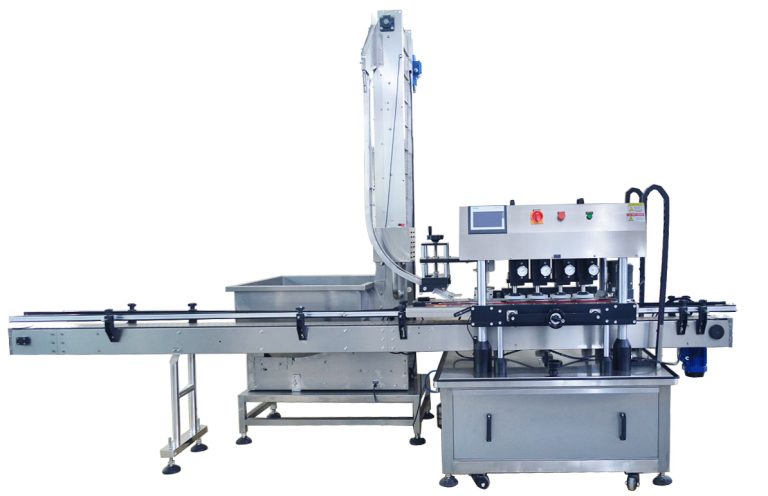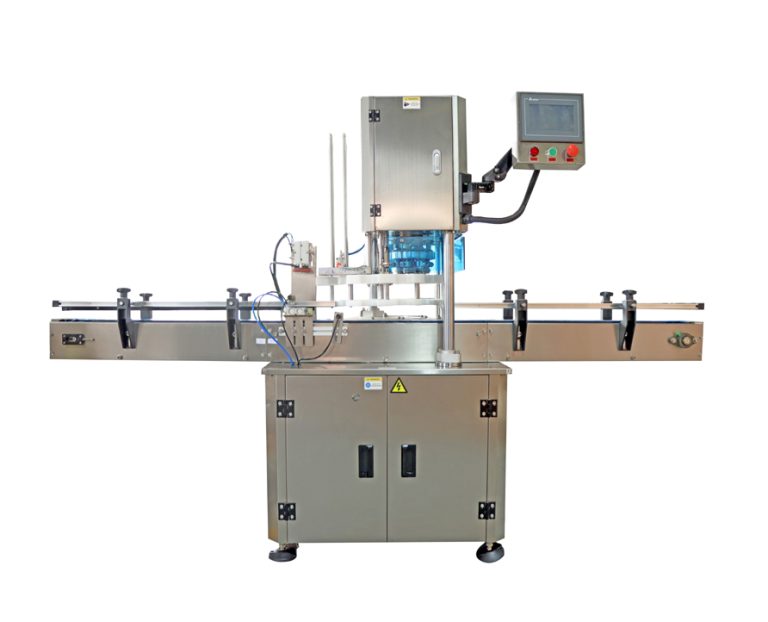
In the realm of canning operations, double head servo can seamer machines stand out as remarkable pieces of equipment. These machines bring a plethora of features that enhance efficiency, quality, and versatility in the can – sealing process. Let’s take a detailed look at the key features that make them a top choice for canning industries.
Table of Contents
Precision Sealing Technology
Advanced Servo – Motor Control
At the heart of double head servo can seamer machines lies their advanced servo – motor control system. Servo motors offer an unparalleled level of precision when it comes to controlling the movement of the seaming heads. They can accurately adjust the speed, position, and torque during the seaming process. For example, when seaming a can, the servo motor can precisely control the rotation of the seaming rolls, ensuring that they apply the right amount of pressure at the exact right time. This precision is crucial for creating a tight and reliable seal that prevents any leakage or contamination. In the pharmaceutical canning industry, where product integrity is of utmost importance, the precision provided by servo – motor control is essential.
High – Resolution Encoders
To further enhance the precision of the seaming process, these machines are equipped with high – resolution encoders. These encoders work in tandem with the servo motors to provide real – time feedback on the position and movement of the seaming heads. They can detect even the slightest deviations from the set parameters and send signals to the servo motors to make immediate adjustments. This ensures that each can is seamed with the same high level of accuracy, regardless of the production volume. For instance, in a large – scale beverage canning plant, the high – resolution encoders help maintain consistent seal quality across thousands of cans per hour.
Dual – Head Design for Enhanced Productivity
Simultaneous Seaming
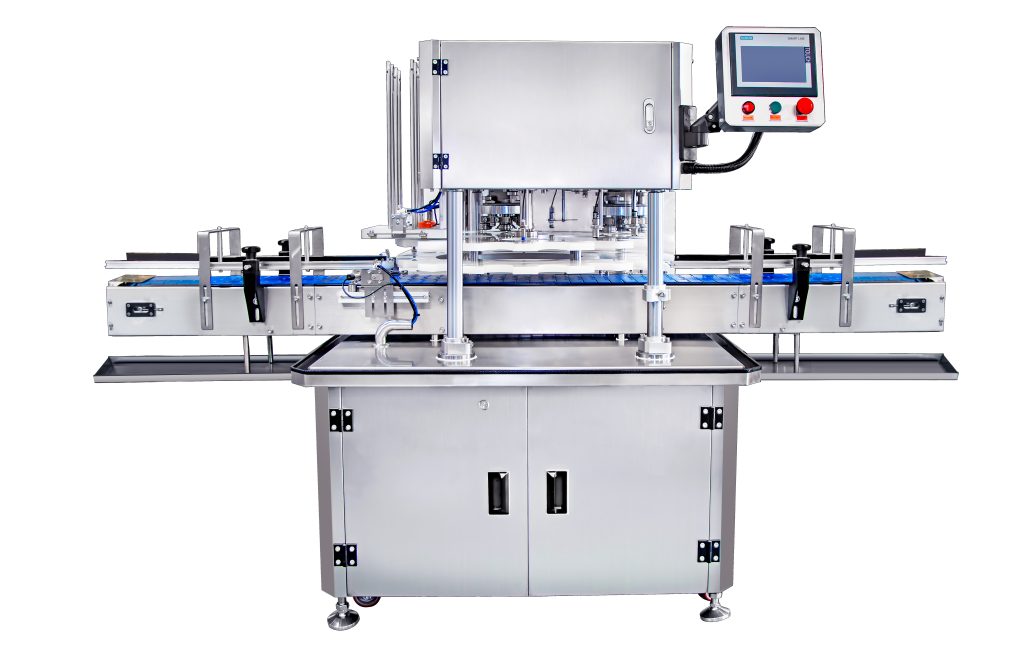
The most obvious feature of double head servo can seamer machines is their dual – head design. This allows the machine to seam two cans simultaneously. While one head is working on one can, the other head is working on a different can, effectively doubling the production rate compared to single – head can seamers. In a busy canning facility, this increased productivity can lead to significant cost savings and a higher output of canned products. For example, in a food canning factory that needs to meet tight deadlines for a large order, the dual – head design enables them to complete the production more quickly.
Independent Operation of Heads
Each seaming head in a double head servo can seamer machine can operate independently. This means that if one head encounters an issue or needs maintenance, the other head can continue to operate, minimizing downtime. Additionally, independent operation allows for greater flexibility in production. Different types of cans or products can be seamed on each head simultaneously. For instance, a canning company can use one head to seam small – sized cans of a particular food product while using the other head to seam larger cans of a different beverage product.
Adaptability to Various Can Sizes and Shapes
Adjustable Seaming Tooling
Double head servo can seamer machines are designed to be highly adaptable to different can sizes and shapes. The seaming tooling, which includes the seaming rolls and chucks, can be easily adjusted to accommodate various can dimensions. Whether it’s a small, round can for a specialty sauce or a large, rectangular can for a bulk product, these machines can be configured to seam them all. This adaptability is a significant advantage for canning companies that produce a diverse range of products. They don’t need to invest in multiple seaming machines for different can sizes, saving both space and money in the production facility.
Programmable Seaming Parameters
In addition to adjustable tooling, these machines allow for programmable seaming parameters. The operator can input specific settings for each type of can, such as the seaming pressure, speed, and number of rotations. This ensures that the machine can seam each can with the optimal parameters for a perfect seal. For example, a canning company that produces both carbonated and non – carbonated beverages can program different seaming parameters for each type of can to account for the differences in internal pressure.
User – Friendly Interface and Maintenance
Intuitive Control Panel
Double head servo can seamer machines are equipped with an intuitive control panel. The control panel provides easy access to all the machine’s functions and settings. Operators can quickly adjust the seaming parameters, monitor the production process, and troubleshoot any issues. The interface is designed with clear visual displays and simple navigation, making it easy for even novice operators to use the machine effectively. For example, a new operator in a canning plant can easily learn how to operate the machine by following the instructions on the control panel.
Easy Maintenance and Cleaning
Maintenance and cleaning are important aspects of any industrial machine. Double head servo can seamer machines are designed with easy maintenance in mind. They have accessible components and removable parts that can be easily cleaned and serviced. The machine’s design also minimizes the accumulation of debris and contaminants, reducing the risk of breakdowns and improving the overall lifespan of the machine. For instance, the seaming heads can be easily disassembled for cleaning, and the lubrication points are clearly marked for easy maintenance.
Conclusion
Double head servo can seamer machines offer a wide range of features that make them a valuable asset in the canning industry. From precision sealing technology and high productivity to adaptability and user – friendly operation, these machines are designed to meet the diverse needs of canning companies. Whether it’s a small – scale artisanal canning operation or a large – scale industrial plant, the features of double head servo can seamer machines can help improve the quality and efficiency of the can – sealing process.