Table of Contents
Understanding Nitrogen Flushing
Nitrogen flushing is a technique used to displace oxygen in packaging, effectively preserving the quality of products. This method is particularly beneficial for food and beverage industries where oxidation can lead to spoilage. By replacing the oxygen within the package with nitrogen, manufacturers can extend shelf life while maintaining freshness and flavor. The process also helps in minimizing the growth of aerobic bacteria and molds, further enhancing product safety.
In addition to food preservation, nitrogen flushing is essential in the pharmaceutical industry. Many medications are sensitive to oxygen and moisture, which can degrade their effectiveness. By using nitrogen flushing during packaging, companies ensure that these products remain stable and effective over time. This practice not only protects the integrity of the medication but also builds trust with consumers who rely on these products for their health.

Benefits of Nitrogen Flushing in Packaging
A significant advantage of nitrogen flushing is its ability to reduce waste and lower production costs. By extending the shelf life of products, manufacturers can minimize spoilage and returns. This efficiency translates into financial savings, as companies can sell more products without the fear of them going bad before reaching consumers. Moreover, the reduction in waste contributes positively to environmental sustainability efforts.
Nitrogen flushing also enhances the visual appeal of packaged goods. For example, it prevents the browning of fruits and vegetables by inhibiting oxidation, ensuring that products remain vibrant and attractive on store shelves. An appealing presentation is crucial in attracting customers, and nitrogen flushing plays a vital role in achieving that outcome.
Implementing Nitrogen Flushing in Established Processes
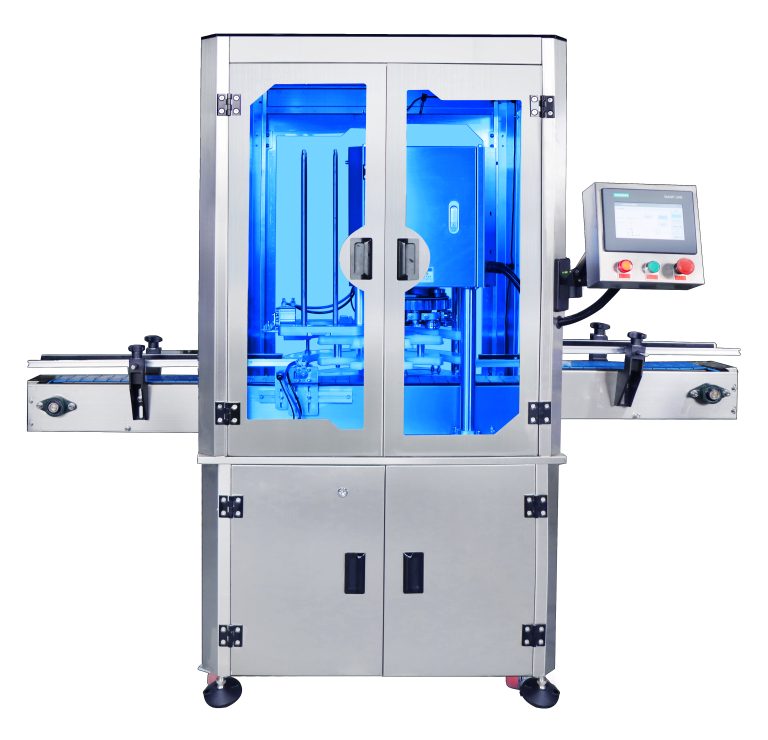
Integrating nitrogen flushing into existing packaging processes may seem daunting, but it can be done smoothly with careful planning. Companies must assess their current systems to determine how best to incorporate this technology. This often involves investing in specialized equipment and training personnel to ensure proper operation and maintenance. However, the long-term benefits of improved product quality and extended shelf life often justify the initial investment.
Furthermore, companies should consider the regulatory aspects involved in implementing nitrogen flushing. Adhering to local and international food safety standards is critical when altering packaging methods. By collaborating with industry experts and regulatory bodies, businesses can navigate these challenges effectively, ensuring compliance while still reaping the benefits of nitrogen flushing.